How to Litter Train a Kitten or Newly Adopted Cat
The good news for anyone bringing home a kitten or a newly adopted cat: you're not really teaching litter box use from scratch. Digging and burying waste is instinctive in cats. What determines whether training "takes" in the first few days is almost entirely about setup — the box, the litter, and where you put it.
In this guide
Why you're not really "teaching" it
Digging to bury waste is an instinctive behavior that kittens display from a very young age, well before they leave their mother. There's no need to physically show a kitten how to dig or demonstrate the motion — most will do it on their own the first time they're placed in a box with appropriate litter. The real work for an owner is removing obstacles: making the box easy to find, comfortable to use, and consistently available.
Choosing the right box and litter
Two setup choices matter more than anything else in the first few weeks:
- Box size and sides. A small box with low sides is easier for a young kitten to climb into and turn around in. A box sized for an adult cat can feel intimidating or simply too large to associate with the right spot.
- Litter type for young kittens. Vets generally recommend non-clumping paper, wood, or clay litter until a kitten is about 8 to 12 weeks old, since kittens explore with their mouths and clumping bentonite can swell and cause a blockage if swallowed in quantity. Our kitten litter guide covers this transition in more detail, including when it's safe to move to a dust-free clumping formula.
For an adopted adult cat, a standard clumping litter is usually fine from day one — the main consideration is keeping it consistent with whatever the shelter or previous home used, at least initially.
Where to put the box
Location affects whether a kitten or new cat can reliably find and feel comfortable using the box:
- Quiet, low-traffic spot. Avoid placing the box next to loud appliances or in a busy hallway where a kitten could be startled mid-use.
- Easy to reach. For a small kitten exploring a new home, the box shouldn't require navigating stairs or long distances, especially in the first week.
- Away from food and water. Cats instinctively avoid eliminating near where they eat, and placing the two close together can discourage box use.
- One per floor, if the home is large. A kitten or new cat still learning the layout benefits from not having to search far to find a box.
The first-week introduction routine
A simple, consistent routine in the first few days does most of the work:
- Show the box immediately on arrival. Before anything else, place the kitten or new cat gently in the box so it knows where it is.
- Repeat after meals and naps. Cats commonly need to eliminate shortly after eating or waking up — placing them in the box at these moments builds the association quickly.
- Keep other boxes identical during the settling-in period. If introducing a second box later, use the same litter type at first to avoid adding two changes at once.
- Praise calmly, don't make a fuss. A quiet, calm tone after successful use reinforces the behavior without overstimulating a kitten that's still adjusting to a new environment.
What not to do
A few common instincts can actually slow training down or create new problems:
- Never rub a cat's nose in an accident. This doesn't teach the connection owners hope for and can create fear or stress around the box itself.
- Don't punish or scold after the fact. Cats don't connect a delayed punishment with the earlier accident, and punishment can make a nervous kitten more likely to avoid the box out of anxiety.
- Avoid switching litter type during the first week. Let the kitten or cat settle into one consistent setup before introducing any changes.
Troubleshooting early accidents
The occasional accident in the first few days is normal, especially while a kitten is still learning the layout of a new home. Clean any soiled spot thoroughly with an enzymatic cleaner so the scent doesn't draw repeat accidents to the same place, and double-check the basics: is the box easy to reach, is it clean, and is the litter type appropriate for the kitten's age? If accidents continue past the first couple of weeks despite a solid setup, it's worth reading through the full list of causes in our guide on why cats avoid the litter box, since the same setup, cleanliness, and medical factors apply to kittens and adult cats alike.
Stocking or importing cat litter?
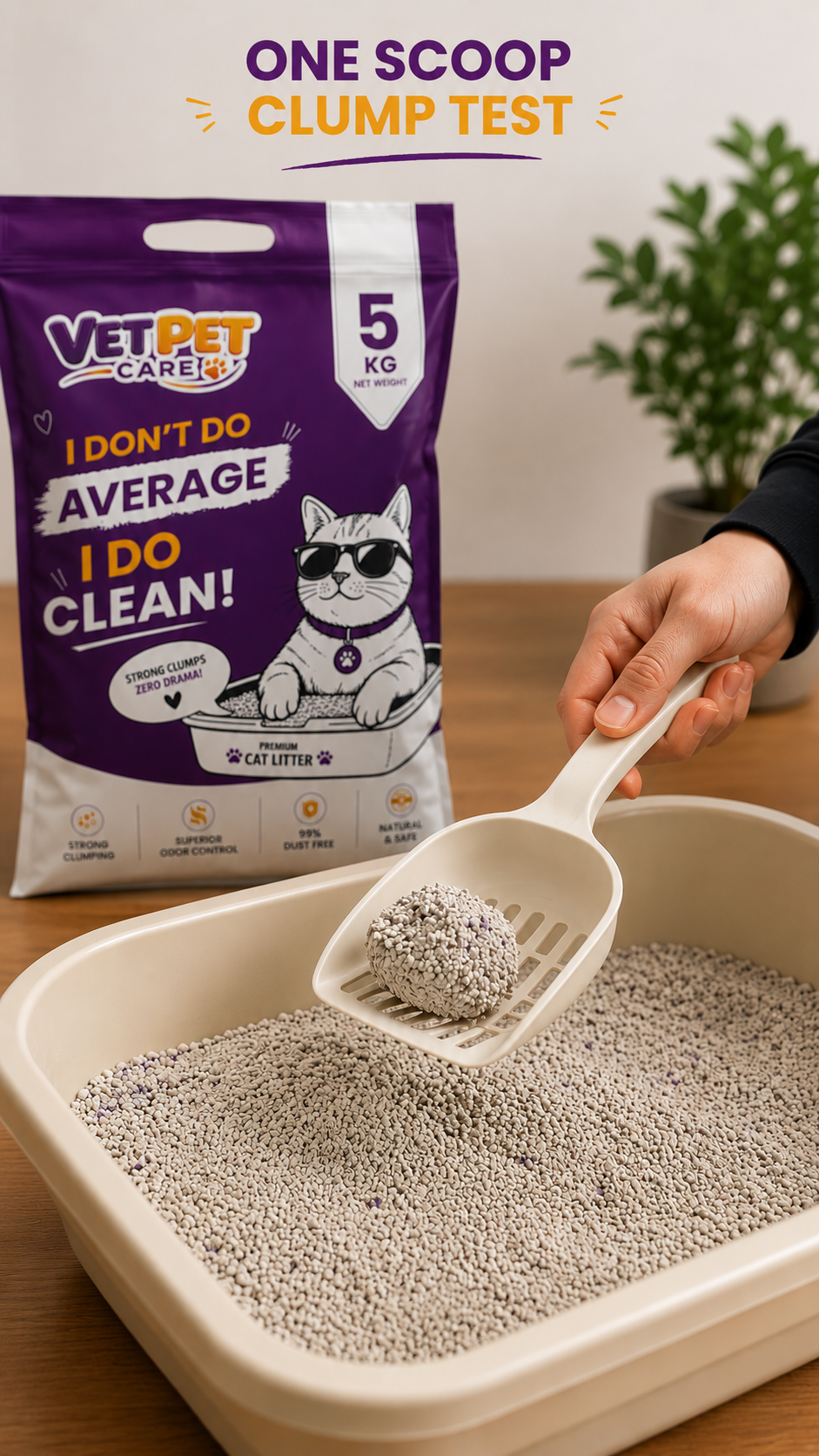
VetPet Care manufactures 100% natural bentonite clumping litter in 5kg and 25kg bags, six fragrances, with private label options. Get export pricing within 24 hours.
Request Export Pricing →