Why Is My Cat Avoiding the Litter Box? Common Causes & Fixes
Finding a puddle next to the box instead of in it is one of the most frustrating things about living with a cat - and one of the most misread. It's rarely defiance. Cats avoid the litter box for specific, fixable reasons, and figuring out which one is behind your cat's behavior is the fastest way back to normal.
In this guide
Rule out a medical cause first
Before changing anything about the litter box itself, a vet visit should be the first step, especially if the avoidance started suddenly. Urinary tract infections, bladder stones, and kidney disease are common medical causes of litter box avoidance, and painful urination can make a cat associate the box itself with pain - leading it to seek out a different spot entirely, even after the medical issue is treated.
Straining to urinate, frequent small urinations, blood in the urine, or a male cat unable to urinate at all are signs that need urgent veterinary attention, not a wait-and-see approach.
Box cleanliness: the most common cause
Once medical causes are ruled out, an unclean box is the single most common reason cats look elsewhere. Cats are naturally clean animals, and a box that hasn't been scooped recently - or hasn't had a full litter change in weeks - can become unappealing enough to avoid entirely.
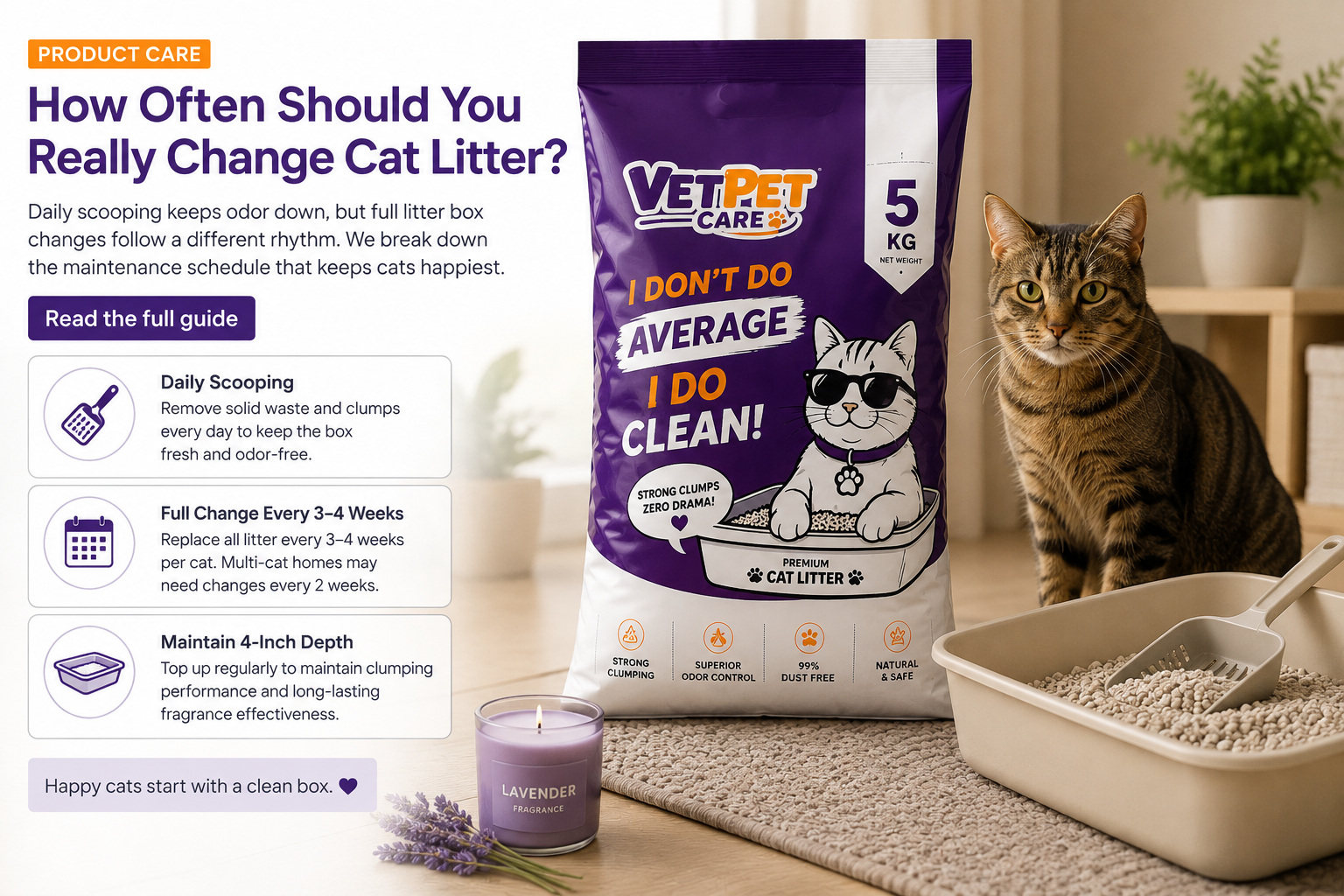
Scooping at least once daily, and doing a full litter change on a regular schedule, addresses this cause more often than any other single fix. Our guide on how often to change cat litter covers the maintenance schedule that keeps a box appealing between changes.
The litter itself may be the problem
Cats are sensitive to texture, scent, and dust level in ways that aren't always obvious to owners. A few litter-related triggers to consider:
- A sudden full switch. Changing litter brands or types abruptly is more likely to cause avoidance than a gradual transition mixed in over a week or two.
- Strong fragrance. Some cats dislike heavily scented litter; an unscented or lightly scented option is often the safer default.
- Excessive dust. A dusty litter can be unpleasant to dig in and may irritate sensitive cats - see our guide on whether cat litter dust is bad for cats for more on this.
- Texture preference. Some cats strongly prefer fine, sand-like granules over coarse or large-pellet litters, particularly if they were raised on one type.
Location, privacy, and box setup
Where and how the box is set up matters as much as what's in it:
- Noisy or high-traffic locations. A box next to a washing machine, furnace, or busy hallway can feel unsafe to a cat mid-use.
- Covered boxes trap odor. What seems tidier to an owner can concentrate smell for a cat with a much more sensitive nose, making the box less inviting.
- Box too small. A cat should be able to turn around and dig comfortably; a cramped box, especially for a larger cat, discourages regular use.
- Sudden relocation. Moving the box to a new spot without a gradual transition can confuse a cat that's used to finding it in a fixed location.
Not enough boxes for the household
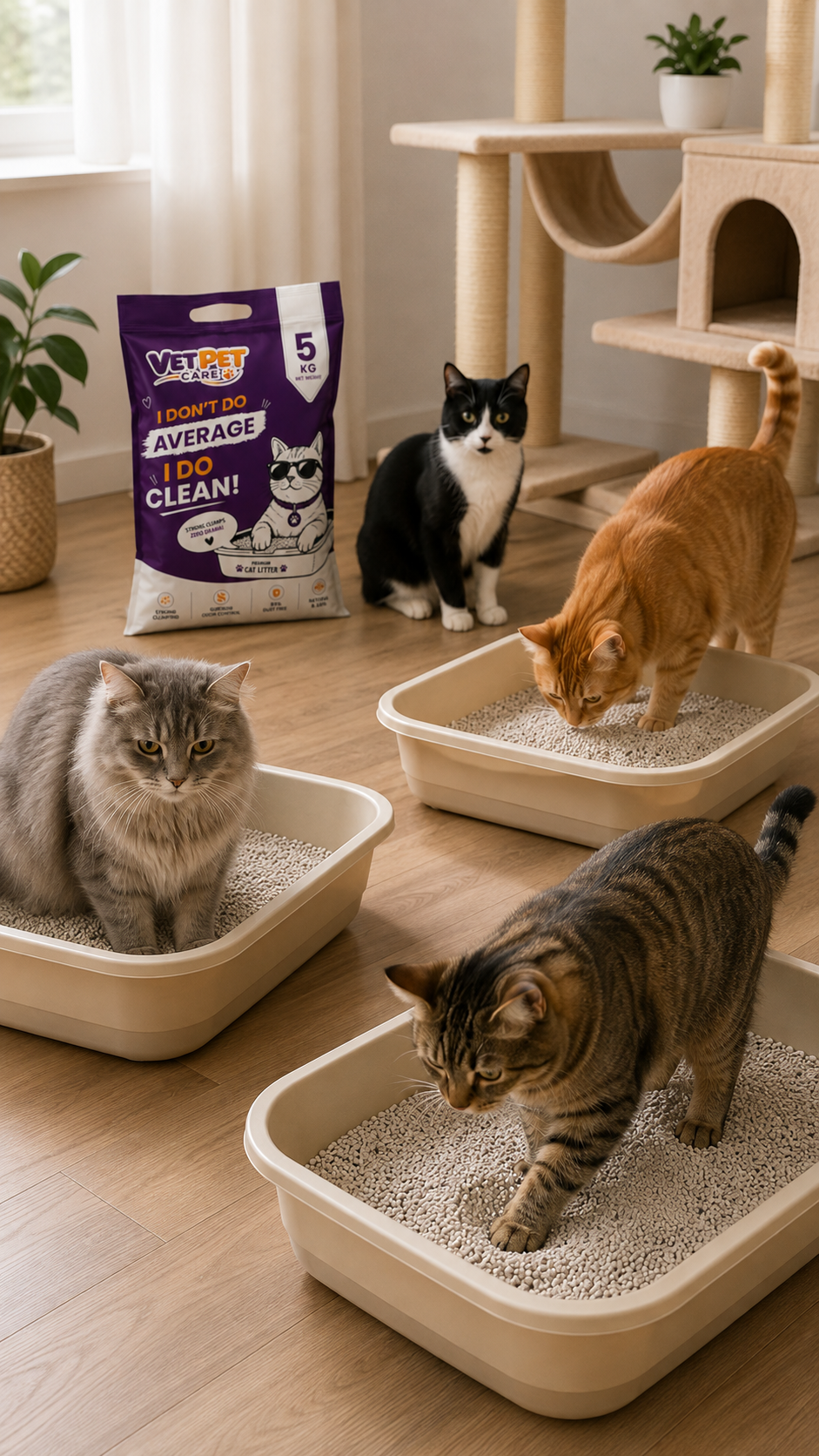
In multi-cat homes, this is one of the most overlooked and most fixable causes. The standard guidance is one litter box per cat, plus one extra, spread across separate, low-traffic locations rather than lined up in a single room. Too few boxes leads to competition over access and one cat guarding the box from another, which shows up as avoidance even though the real issue is availability. Our multi-cat household guide covers box count and placement in more detail.
| Sign | Likely cause | First step |
|---|---|---|
| Sudden onset, straining, blood in urine | Medical | Vet visit, same day if straining or blocked |
| Gradual avoidance over days/weeks | Cleanliness | Scoop daily, check full-change schedule |
| Started right after a litter switch | Litter type/texture | Transition back gradually, test unscented |
| One cat avoids, others use it fine | Setup, location, or box count | Add a box, move to a quieter spot |
How to fix it once you've found the cause
Whatever the cause, avoid punishing a cat for avoidance or rubbing its nose in an accident — this doesn't correct the behavior and can add stress that makes the underlying problem worse. Instead, clean soiled areas thoroughly with an enzymatic cleaner so the scent doesn't draw the cat back to the same spot, address the root cause identified above, and give it one to two weeks of consistent setup before reassessing. If avoidance continues despite ruling out medical causes and fixing cleanliness, litter type, and setup, a vet or certified cat behaviorist can help identify a less common trigger.
Stocking or importing cat litter?
VetPet Care manufactures 100% natural bentonite clumping litter in 5kg and 25kg bags, six fragrances, with private label options. Get export pricing within 24 hours.
Request Export Pricing →